

The Liberian Senate has scheduled a full-day working session for Thursday, October 22, 2026, to investigate the ongoing crisis at the Monrovia Consolidated School System (MCSS), following student protests over conditions affecting teaching and learning.
The investigation follows concerns raised by Montserrado County Senator Abraham Darius Dillon, who called for immediate Senate intervention, urging lawmakers to establish whether government funds appropriated for the education sector are reaching their intended beneficiaries.
As part of the planned inquiry, officials of MCSS, the Civil Service Agency (CSA), and the Ministry of Finance and Development Planning are expected to be summoned to account for budgetary allocations intended to address teachers’ salary arrears and facilitate the placement of approximately 201 volunteer teachers on the government payroll.
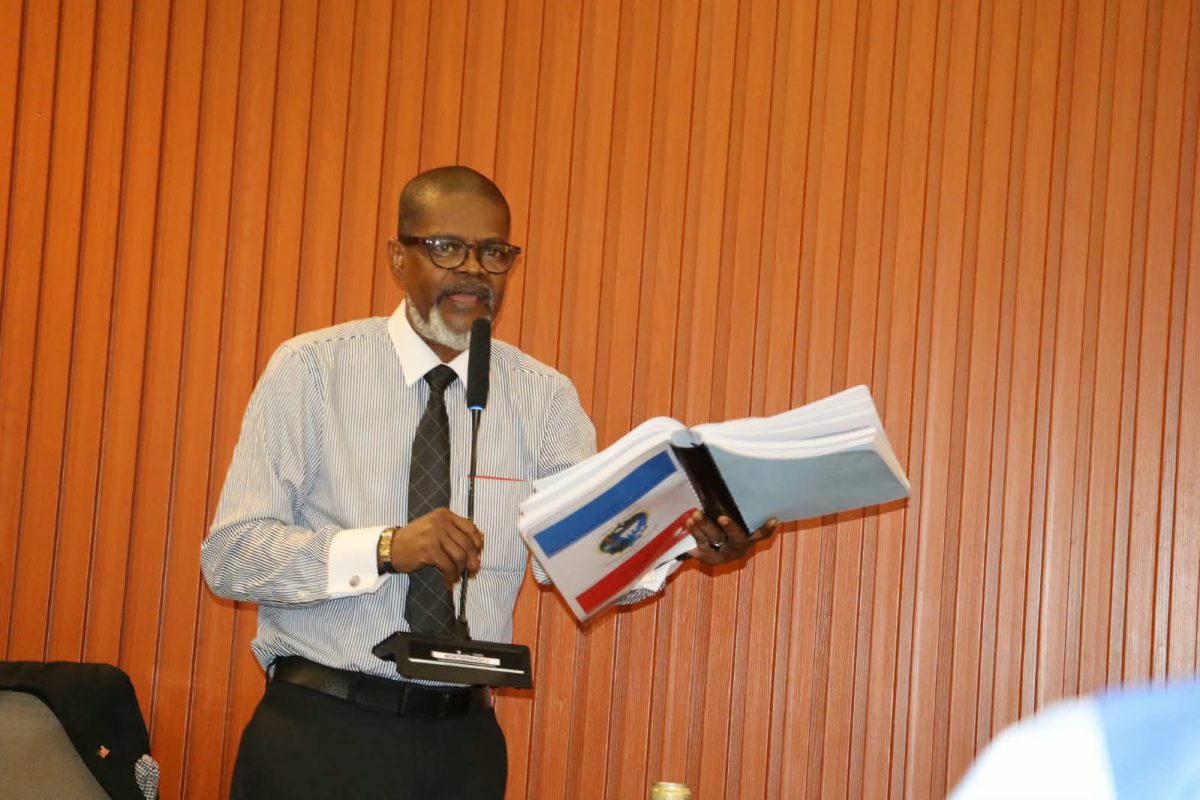
Addressing his colleagues during Tuesday’s Senate session, Senator Dillon described the situation as troubling, arguing that students should not have to take to the streets to demand solutions to problems that could be addressed through legislative oversight.
“It has reached a point where we must not delay the intervention,” Dillon said, calling on Senate Pro-Tempore Nyonblee Karnga-Lawrence to take immediate action.
“The students should not be in the street demonstrating when we can do something about it,” he emphasized.
Dillon Questions Education Funding and Implementation
At the center of Senator Dillon’s concerns is whether government institutions are receiving the funds appropriated by the Legislature and whether those resources are being used for their intended purposes.
The senator recalled that the Legislature increased the education sector’s allocation to more than US$135 million in the 2026 National Budget, with approximately US$7.3 million reportedly earmarked for MCSS, including provisions intended to address the situation of volunteer teachers.
Dillon also cited previous allocations to the school system, noting that MCSS received US$4 million in 2024, while its allocation increased to US$4.5 million in 2025. He further referenced the 2025 fiscal outturn, which he said indicated that the institution received US$4.7 million during that fiscal year.
Against these figures, the Montserrado lawmaker questioned why challenges affecting the school system remain unresolved despite the reported increases in funding.
“I want to be very clear because I’m trying to lay a premise, a basis here,” Dillon told his colleagues, explaining that he was establishing the financial context for the Senate’s intervention.
He maintained that appropriations approved by the Legislature must translate into actual funding and improved public services, particularly in the education sector, where delays in addressing teachers’ concerns can directly affect students’ learning.
Revenue Collection and Government Spending Under Scrutiny
Senator Dillon also referenced information from the Liberia Revenue Authority (LRA), which he said indicated satisfactory government revenue performance and the possibility of a budget surplus.
He questioned whether expenditure was keeping pace with revenue collection and whether public institutions were receiving the financial resources approved for their operations.
“The expenditure portion, what we generate, are we spending it for the purpose? Are these institutions receiving what we have appropriated?” he asked.
Dillon’s concerns underscore the need for the Senate to examine the relationship between revenue collection, budget execution, and the delivery of public services.
The planned investigation is expected to provide lawmakers an opportunity to seek explanations from the relevant authorities regarding the status of MCSS funding, the payment of teachers’ arrears, and the implementation of provisions intended to improve the school system’s staffing situation.